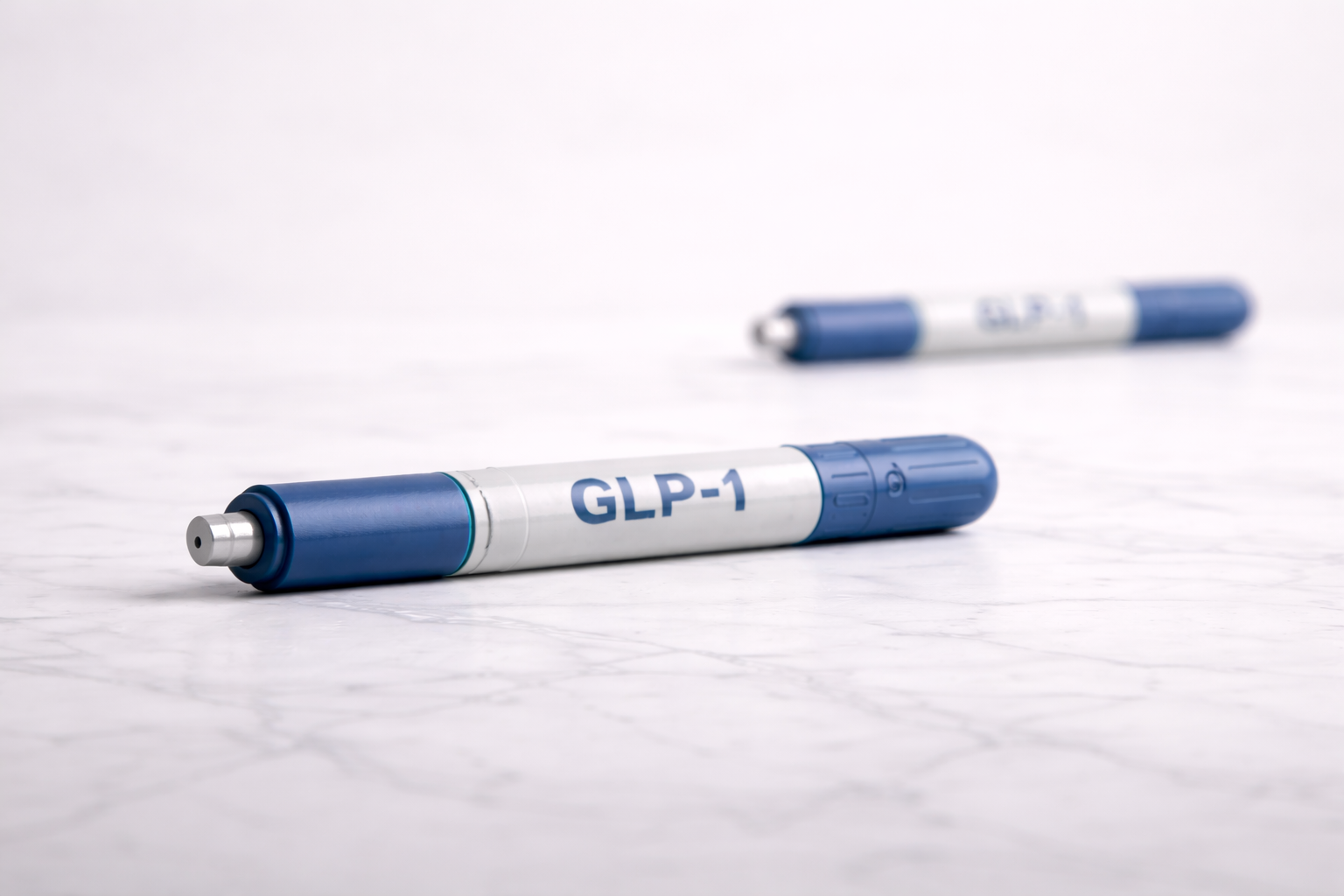
After successful weight loss with GLP-1 medications, many people reach a moment of uncertainty: Do I continue with maintenance does meds?
The weight has changed.
Habits are improving.
But a new question emerges:
“Should I stop completely — or continue at a lower dose?”
Sometimes called a “maintenance dose”, ongoing or reduced GLP-1 treatment is becoming an increasingly common discussion between patients and clinicians.
There is no single correct answer.
But understanding the purpose, benefits, and limitations of maintenance dosing can help you approach the decision calmly and realistically.
What Is a Maintenance Dose of GLP-1?
A maintenance dose generally refers to continuing GLP-1 medication at:
- A lower dosage, or
- A less frequent schedule, or
- A long-term stabilising dose after weight loss goals are reached.
The aim shifts from active weight loss to weight stability.
Rather than driving continued reduction, medication may help regulate appetite while long-term habits consolidate.
This reflects the transition described in Weight loss mode vs maintenance mode, where the goal becomes sustainability rather than change.
Why This Question Is Becoming More Common
GLP-1 medications have changed how many people experience weight loss.
For the first time, individuals may feel:
- Reduced food noise
- Predictable appetite signals
- Improved control around eating
When considering stopping treatment, a natural concern arises:
“What happens when that support is removed?”
Research shows appetite often increases after discontinuation (see Why appetite changes after GLP-1 medications), which leads some people to explore continued use.
What Research Currently Suggests
Clinical trials provide important — though still evolving — insights.
In studies such as the STEP 4 trial:
- Participants who continued semaglutide maintained more weight loss.
- Those who stopped experienced partial regain over time.
This does not mean stopping medication guarantees regain.
It does suggest that GLP-1 therapy functions partly as ongoing biological support rather than a permanent reset.
Long-term data is still developing, and individual outcomes vary widely.
Potential Benefits of Maintenance Dose Meds
For some individuals, continued treatment may help by:
Supporting Appetite Regulation
GLP-1 medications influence satiety signalling and reward pathways related to food.
Lower doses may maintain calmer hunger patterns.
Appetite changes oftenguide this decision (see: Why Am I Hungrier After Stopping GLP-1 Medication?)
Reducing Food Noise
Many users describe reduced intrusive thoughts about food while on medication.
Maintenance dosing may extend this effect during behavioural transition.
Allowing Habit Stabilisation
Weight maintenance habits take time to become automatic.
Medication may provide a supportive bridge while routines solidify.
Potential Downsides to Consider
Maintenance dose meds are not automatically the best option for everyone.
Important considerations include:
Side Effects
Some individuals continue to experience gastrointestinal or other side effects.
Cost and Accessibility
Long-term treatment may represent a significant financial commitment depending on healthcare coverage.
Psychological Dependence
Some people worry about feeling unable to maintain weight without medication.
Developing confidence in sustainable habits remains important regardless of treatment decisions.
Medication vs Skill Development
One of the most helpful ways to frame this decision is:
Medication and maintenance skills are not opposites.
They can work together.
Even when treatment continues with maintenance dose meds, long-term stability still depends on:
- Protein consistency (see: How protein supports weight maintenance)
- Strength training habits (see: Why strength training matters more after weight loss)
- Flexible food structure (see: Building flexible food structure in maintenance)
Medication supports biology.
Habits support sustainability.
Both matter.
Who Might Consider Maintenance Dose Meds?
While decisions must always involve healthcare professionals, continued treatment may be discussed when:
- Appetite returns strongly after dose reduction
- Previous weight regain cycles were severe
- Metabolic health improvements are significant
- Lifestyle changes are still stabilising
The goal is not perfection — but long-term health stability.
Who Might Transition Off Medication Successfully?
Many individuals maintain weight without ongoing medication when they have:
- Established consistent routines
- Stable eating structure
- Strength training habits
- Confidence managing fluctuations
(See: Normal weight fluctuations vs true regain.)
Maintenance success often depends less on the medication itself and more on the systems surrounding it.
Questions to Discuss With Your Clinician
Helpful conversations may include:
- What are my long-term health goals?
- How has my appetite changed during treatment?
- What risks or benefits apply to my medical history?
- What tapering options exist?
- How will we monitor stability?
Shared decision-making produces better outcomes than abrupt decisions.
The Emotional Side of the Decision
Stopping medication can feel symbolic.
For some, it represents independence.
For others, it introduces anxiety.
Both reactions are valid.
Maintenance is not a test of willpower or proof of success.
It is a process of finding the level of support — behavioural, environmental, or medical — that allows long-term wellbeing.
A Balanced Perspective
GLP-1 medications are tools.
Like many health tools, their usefulness depends on context.
Some people benefit from continued support.
Others transition away successfully.
The most sustainable approach is rarely extreme.
It is thoughtful, gradual, and personalised.
The Bottom Line
Maintenance dose meds are neither a shortcut nor a failure.
It is one possible strategy among many for maintaining weight loss.
The key questions are not:
“Should I rely on medication?”
But rather:
“What combination of support helps me remain healthy and stable long term?”
Maintenance succeeds when biology, habits, and expectations work together.
Navigating Maintenance Decisions With Support
Questions about medication, appetite, and long-term stability are common during the maintenance phase.
Inside WeightMaintenance, members receive:
- Evidence-informed guidance
- Practical maintenance frameworks
- Support interpreting body changes
- Calm, judgement-free discussion
If you’d like structured support as you make maintenance decisions:
Download our E-Guide to support your first 30-days of weight maintenance. Click HERE