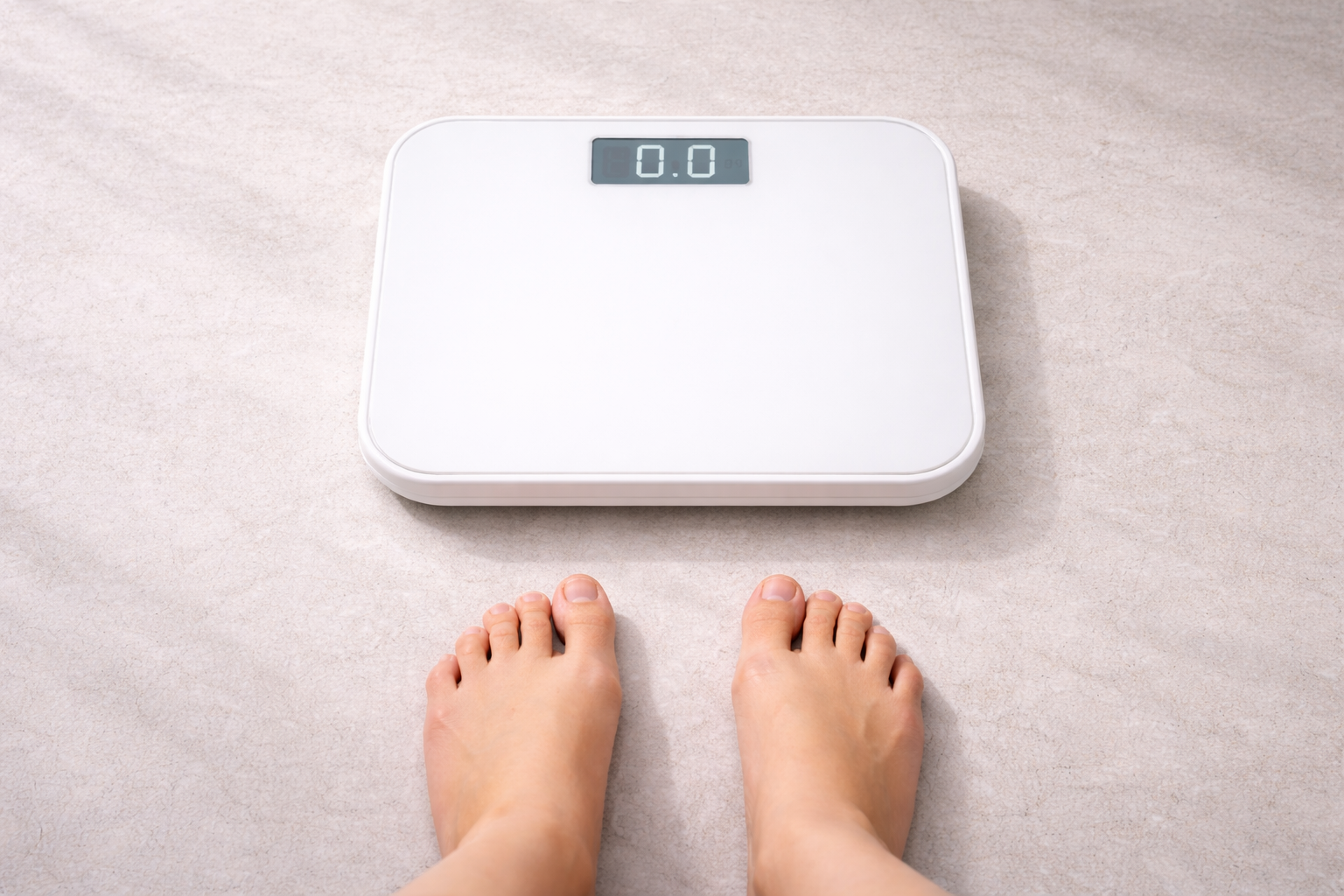
Weight maintenance requires a different approach than weight loss. Learn how to establish a new baseline, stabilize routines, and protect your progress long-term.
How Do I Maintain My Weight Without Medication Support?
Coming off GLP-1 medication can feel uncertain.
Appetite may increase.
Food thoughts may return.
Structure may feel harder to maintain.
But long-term weight maintenance without medication is possible.
It simply requires a shift from pharmacological support to behavioural systems.
Key principles include:
• Creating consistent routines
• Supporting appetite through food choices
• Managing food thoughts effectively
• Building a sustainable lifestyle
Maintenance without medication is not about doing everything perfectly.
It is about building systems you can rely on.
Why Maintenance Feels Different Without Medication
GLP-1 medications reduce appetite and simplify decision-making around food.
Without that support, you may notice:
• Increased hunger
• Stronger cravings
• More frequent thoughts about food
This does not mean you are doing something wrong.
It means your body is operating without appetite suppression.
Understanding this helps you respond strategically — rather than emotionally.
Shifting From Medication to Structure
When medication is removed, structure becomes more important.
Instead of relying on reduced appetite, you rely on consistency.
This includes:
• Regular meal timing
• Planned food choices
• Predictable routines
Structure reduces the need for constant decision-making.
It creates stability — even when appetite fluctuates.
Building a Reliable Eating Pattern
One of the most effective strategies is consistency in how and when you eat.
Helpful approaches include:
• Eating at similar times each day
• Avoiding long gaps that lead to excessive hunger
• Planning meals in advance
This helps regulate appetite and reduces reactive eating.
Over time, your body adapts to predictable patterns.
Using Food Composition to Support Appetite
What you eat becomes more important without medication support.
Meals that improve satiety typically include:
• Adequate protein
• Fibre-rich carbohydrates
• Healthy fats
These help:
• Keep you fuller for longer
• Reduce blood sugar fluctuations
• Limit excessive snacking
Highly processed, low-protein foods tend to increase hunger and food noise.
Food quality directly influences how manageable your appetite feels.
(see: Why Am I Hungrier After Stopping GLP-1 Medication? )
Managing Returning Food Noise
Many people notice the return of “food noise” after stopping GLP-1s.
This can feel uncomfortable — but it is manageable.
Helpful strategies include:
• Pausing before acting on cravings
• Identifying emotional vs physical hunger
• Using structured meals instead of reactive eating
• Redirecting attention with non-food activities
Learning to respond — rather than react — is a key maintenance skill.
(See: Coping With Returning Food Noise After Stopping Mounjaro for a deeper breakdown.)
The Role of Exercise in Medication-Free Maintenance
Exercise becomes even more valuable without medication.
It helps:
• Support energy balance
• Regulate appetite
• Maintain muscle mass
• Improve mental resilience
You do not need extreme workouts.
Consistent, moderate activity is enough to support long-term stability.
(See: Do I Still Need To Exercise After Losing Weight on GLP-1s.)
Developing a Maintenance Identity
Sustainable results depend on more than habits.
They depend on identity.
Instead of:
“I’m trying to keep the weight off”
The shift becomes:
“I am someone who maintains my health”
This identity reduces internal conflict and supports consistent behaviour.
(Explored further in: Shifting Identity After Major Weight Loss.)
Handling Setbacks Without Losing Progress
Small fluctuations and lapses are normal.
What matters is your response.
Effective strategies include:
• Returning to routine quickly
• Avoiding all-or-nothing thinking
• Viewing setbacks as data, not failure
Consistency over time matters more than any single day.
Maintenance is built on recovery — not perfection.
Creating a Flexible but Structured Approach
Rigid plans are difficult to sustain long term.
But no structure leads to drift.
The balance is:
• Flexible food choices within a consistent framework
• Planned meals with room for variation
• Structure without restriction
This allows you to maintain control without feeling constrained.
When Additional Support May Help
Some people find the transition challenging.
Additional support can include:
• Coaching or structured programmes
• Accountability systems
• Clinical guidance if needed
This is not a failure.
It is a practical step to support long-term success.
Sometimes a maintainance dose is appropriate to aid transition. (see: Is a Maintenance Dose of GLP-1 Right for You? ).
The Bottom Line
Maintaining your weight without medication is achievable.
It requires:
• Consistent structure
• Supportive nutrition
• Behavioural awareness
• A stable identity
You are replacing medication support with skill-based systems.
Over time, these systems become automatic.
And maintenance becomes less about effort — and more about normal life.
Support Through Medication-Free Maintenance
Transitioning off GLP-1 support is a significant shift.
Inside WeightMaintenance, members receive:
• Structured maintenance frameworks
• Practical appetite management strategies
• Tools for handling food noise and cravings
• Ongoing support during transitions
If you want guidance as you maintain your weight without medication:
Download our E-Guide to support your first 30-days of weight maintenance. Click HERE